
Effortlessly Boost Your Network
Optimize Your Connectivity with Range Extenders
Discover how to enhance your internet experience by seamlessly integrating range extenders into your network setup. Maximize coverage and eliminate dead zones for uninterrupted connectivity.
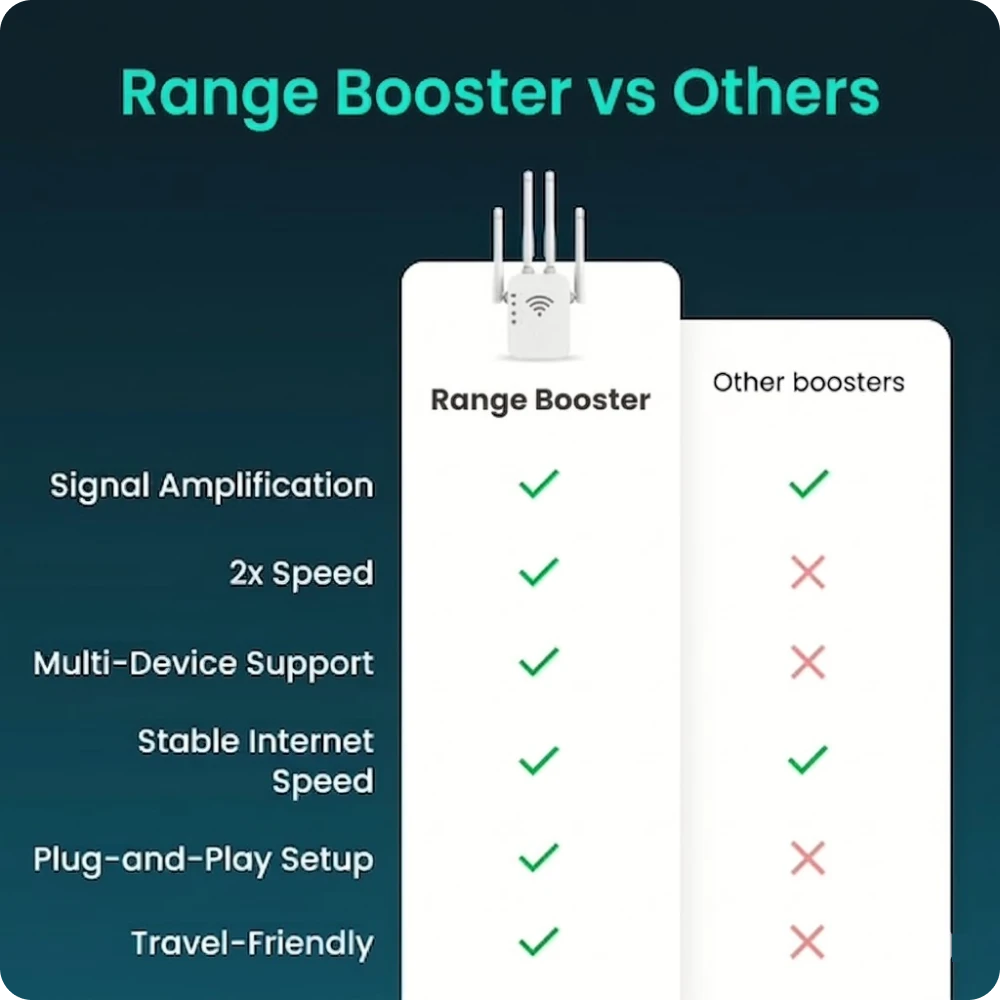
How to Reconnect Your Range Extender
Step 1: Plug in your range extender and ensure it is within the range of your existing network.
Step 2: Access the extender’s setup interface by entering its IP address in your web browser.
Step 3: Log in using your credentials. If you haven’t set any, use the default username and password.
Step 4: Navigate to the network settings and select ‘Connect to a New Network’.
Step 5: Choose your new network from the list of available networks and enter the password.
Step 6: Save the settings and restart the extender to apply the changes.
Step 7: Verify the connection by checking the signal strength indicator on the extender.
Step 8: If the connection is unstable, try repositioning the extender closer to the router.
Step 9: For optimal performance, ensure the extender’s firmware is up to date by visiting the manufacturer’s website.
Step 10: Enjoy enhanced network coverage and improved internet speeds throughout your home or office.
Troubleshooting Extender Login Issues
Experiencing difficulties accessing your range extender? Ensure your device is connected to the extender’s network. If the login page doesn’t appear, try entering the default IP address in your browser’s address bar. Clear your browser’s cache and cookies, or try using a different browser. If the issue persists, reset the extender to factory settings and attempt the setup process again. For further assistance, consult the user manual or visit our support page.
Having trouble with your extender login? Start by verifying that your device is connected to the correct Wi-Fi network. If the login page fails to load, manually enter the extender’s IP address in your browser. Consider disabling any VPNs or firewalls temporarily, as they might block access. If these steps don’t resolve the issue, perform a factory reset on your extender and restart the setup process.
Can’t access your extender’s settings? First, ensure your device is linked to the extender’s network. If the login interface doesn’t appear, type the extender’s IP address directly into your browser. Clear your browser’s history and cache, or switch to another browser. If problems continue, reset the extender to its default settings and try setting it up again. For more help, check our online resources or contact support.
Common Questions About Range Extenders and Mesh Networks
What is a range extender and how does it work?
A range extender, also known as a repeater, is a device that amplifies the existing Wi-Fi signal from your router to expand coverage to areas with weak or no signal. It receives the wireless signal from your router and retransmits it to improve overall network reach.
How do I set up a seamless mesh network?
To set up a seamless mesh network, start by placing the primary mesh router in a central location. Connect it to your modem and follow the manufacturer’s instructions to configure it. Add additional mesh nodes around your home to ensure complete coverage, and use the app provided by the manufacturer to manage and optimize your network settings.
Why is my extender not connecting to the router?
If your extender isn’t connecting to the router, ensure it’s within range of the router’s signal. Check that the extender is powered on and that you’ve entered the correct Wi-Fi credentials. If problems persist, try resetting the extender and reconfiguring it. Also, verify that your router’s firmware is up to date.
Can I use multiple extenders in my home network?
Yes, you can use multiple extenders to enhance Wi-Fi coverage in larger areas. However, it’s important to strategically place them to avoid interference and ensure they are within range of the main router or another extender. Consider using a mesh network for more efficient coverage.
What is the difference between a mesh network and a traditional Wi-Fi network?
A mesh network consists of multiple nodes that work together to provide seamless Wi-Fi coverage throughout your home, eliminating dead zones. Unlike traditional Wi-Fi networks that rely on a single router, mesh networks allow for more flexible placement and better performance in larger spaces.
How can I improve the performance of my range extender?
To enhance your range extender’s performance, place it halfway between your router and the area needing coverage. Avoid physical obstructions and electronic interference. Regularly update the extender’s firmware and consider using a dual-band extender for better speed and reliability.
What should I do if my mesh network is slow?
If your mesh network is slow, ensure all nodes are properly placed and connected. Check for firmware updates and reduce the number of connected devices if necessary. Use the network management app to optimize settings and troubleshoot any issues. Consider upgrading to a higher-speed internet plan if needed.
How do I secure my Wi-Fi network with a range extender?
To secure your Wi-Fi network with a range extender, ensure both your router and extender have strong, unique passwords. Enable WPA3 encryption if available, and regularly update the firmware on both devices. Consider disabling WPS for added security and monitor connected devices through your network settings.
What are the benefits of using a mesh network over a single router?
Mesh networks offer several advantages over a single router, including improved coverage, seamless connectivity, and better handling of multiple devices. They eliminate dead zones and provide consistent speeds throughout your home, making them ideal for larger spaces or homes with multiple floors.